
 23 March 2026
 Share
Share
1
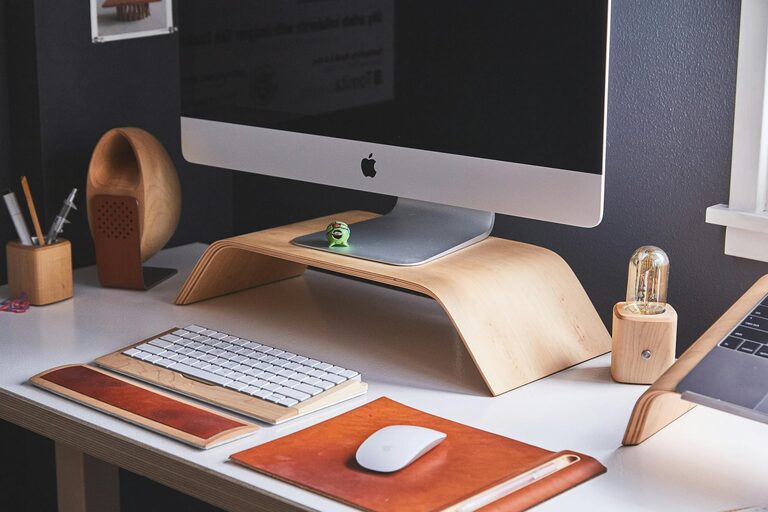
Creating a clutter-free and productive home workspace is essential for staying focused and getting work done efficiently. Whether you work remotely full-time or occasionally need a dedicated workspace, organizing your area can make a big difference in your daily routine. Here are helpful tips to design a home office that encourages productivity while keeping clutter to a minimum.
A cluttered desk can lead to distraction, stress, and wasted time looking for things. An organized workspace promotes clarity of thought, better time management, and even increased motivation. When items have a place and your desk stays tidy, you’re more likely to focus on your tasks rather than your environment.
Pick a spot in your home that gets good natural light, which can enhance mood and reduce eye strain. Try to find a quiet area away from heavy foot traffic or distractions, especially if video calls are part of your routine.
Whether it’s a dedicated room or a corner of a living room, use what you have wisely. A compact desk with multiple storage options can make a smaller space work efficiently.
Invest in a comfortable chair that supports your back, and position your monitor at eye level to avoid neck strain. Proper ergonomics help you work longer with less fatigue.
Your desk surface should hold the items you use most often, such as your computer, a notepad, pens, and maybe a lamp. Store other supplies elsewhere to keep your workspace neat.
Go through your workspace regularly and remove unnecessary items or paperwork. A weekly quick tidy-up can prevent clutter from piling up.
Consider drawer organizers, shelves, or filing cabinets to keep supplies and documents in order. Vertical storage is especially useful for small spaces.
Labeling boxes, files, and drawers helps you quickly find what you need and encourages returning items to their proper place.
A messy digital desktop can be just as distracting as a physical one. Keep icons to a minimum and organize files into clearly labeled folders.
Digital tools like calendars, to-do lists, or project management apps can simplify your workflow and reduce the need for physical notes.
Define your working hours and try to stick to them to maintain a healthy work-life balance. Inform family members or roommates of your schedule to minimize interruptions.
Take regular short breaks to stretch and refresh your mind. Adding a plant, artwork, or photos can make your workspace more inviting without adding clutter.
Organizing a clutter-free and productive home workspace is a continual process. By choosing the right location, setting up an ergonomic and tidy desk, and using smart storage solutions, you’ll create an environment that supports your work and well-being. Remember to maintain your space regularly and adapt it to your evolving needs for the best results.
