
 23 March 2026
 Share
Share
1
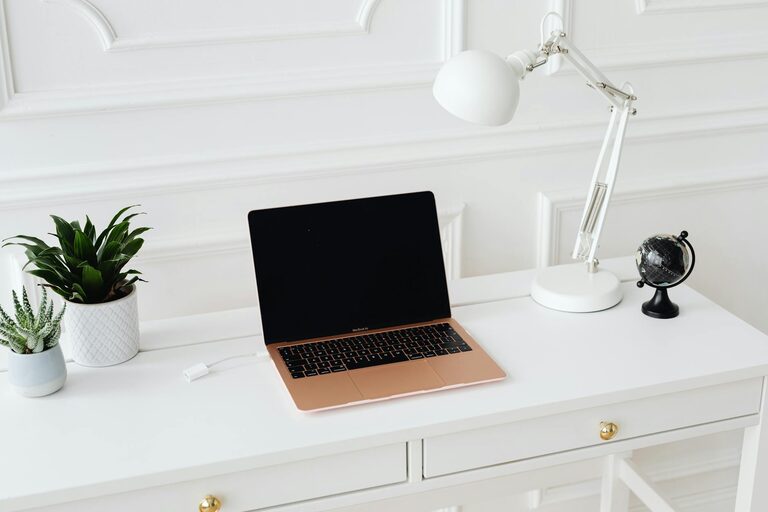
Creating a productive home office environment can significantly improve your work efficiency and overall well-being. Whether you are new to working from home or looking to enhance your existing setup, a few thoughtful adjustments can make a big difference. In this post, we’ll share simple tips to help you design a home office that nurtures focus, comfort, and productivity.
The foundation of a productive home office starts with picking the right space.
– Quiet and Private: Select a location away from high-traffic areas or noisy spots in your home. A quiet space helps minimize distractions.
– Natural Light: If possible, choose a room or corner with access to natural daylight. Natural light boosts mood and alertness.
– Comfortable Size: Make sure the space is large enough to fit your desk, chair, and any equipment comfortably without feeling cramped.
If you don’t have a separate room available, consider using room dividers or noise-canceling headphones to create boundaries around your workspace.
Comfort plays a crucial role in productivity. Investing in ergonomic furniture supports good posture and reduces strain during long working hours.
– Ergonomic Chair: Look for an adjustable chair that supports your lower back and allows your feet to rest flat on the floor.
– Desk Height: Your desk should allow your arms to rest comfortably while typing, with elbows bent at roughly 90 degrees.
– Monitor Placement: Position your computer screen at eye level about an arm’s length away to prevent neck and eye strain.
Don’t forget to take short breaks to stretch and change position throughout the day.
A tidy workspace encourages focus and minimizes distractions.
– Keep Only Essentials: Remove items that you don’t use daily or weekly. Clutter can lead to distractions and stress.
– Use Storage Solutions: Utilize shelves, drawers, or organizers to keep supplies neatly stored.
– Manage Cables: Use cable clips or ties to keep cords organized and out of the way.
Set aside a few minutes at the end of each workday to tidy your space. This practice helps create a fresh start for the next day.
Good lighting reduces eye strain and helps maintain alertness.
– Combine Natural and Artificial Light: Use natural light as much as possible, but supplement it with warm and adjustable desk lamps.
– Avoid Glare: Position your monitor and light sources to minimize glare on your screen.
– Use Task Lighting: Focused lighting for reading and detailed work can boost accuracy and reduce fatigue.
Adding personal touches can make your home office a welcoming place that motivates you to work.
– Add Plants: Indoor plants improve air quality and add a calming natural element.
– Incorporate Art or Photos: Inspirational images or artwork can brighten your mood.
– Choose Comfortable Accessories: A cozy rug or cushions can add warmth and make your space more inviting.
Balance personalization so it doesn’t create clutter or distractions.
Working from home can blur the lines between professional and personal life. Setting boundaries helps maintain productivity.
– Designate Work Hours: Keep consistent starting and finishing times to establish a daily routine.
– Create Signals: Use visual cues, like closing a door or a “Do Not Disturb” sign, to communicate your work status to others at home.
– Take Regular Breaks: Step away from your workspace regularly to refresh your mind and avoid burnout.
Many digital tools can help boost your productivity.
– Task Management Apps: Apps like Trello or Asana help you track projects and deadlines.
– Calendar Tools: Utilize Google Calendar or similar apps to schedule your day and set reminders.
– Noise-Canceling Headphones: These can help reduce background noise and keep you focused.
Comfortable air quality and room temperature contribute to concentration and energy levels.
– Ventilate Regularly: Open windows when possible to let fresh air circulate.
– Use Air Purifiers or Humidifiers: These devices can improve air quality, especially in closed rooms.
– Adjust Room Temperature: Aim for a comfortable temperature between 68°F to 72°F (20°C to 22°C) to stay comfortable without overheating or feeling cold.
Creating a productive home office environment requires a combination of thoughtful space selection, functional furniture, organization, and personal touches. By applying these simple tips, you can cultivate a workspace that supports your focus, comfort, and well-being, helping you perform at your best while working from home.
Start small, make incremental improvements, and enjoy the benefits of a well-designed home office tailored to your needs.
